

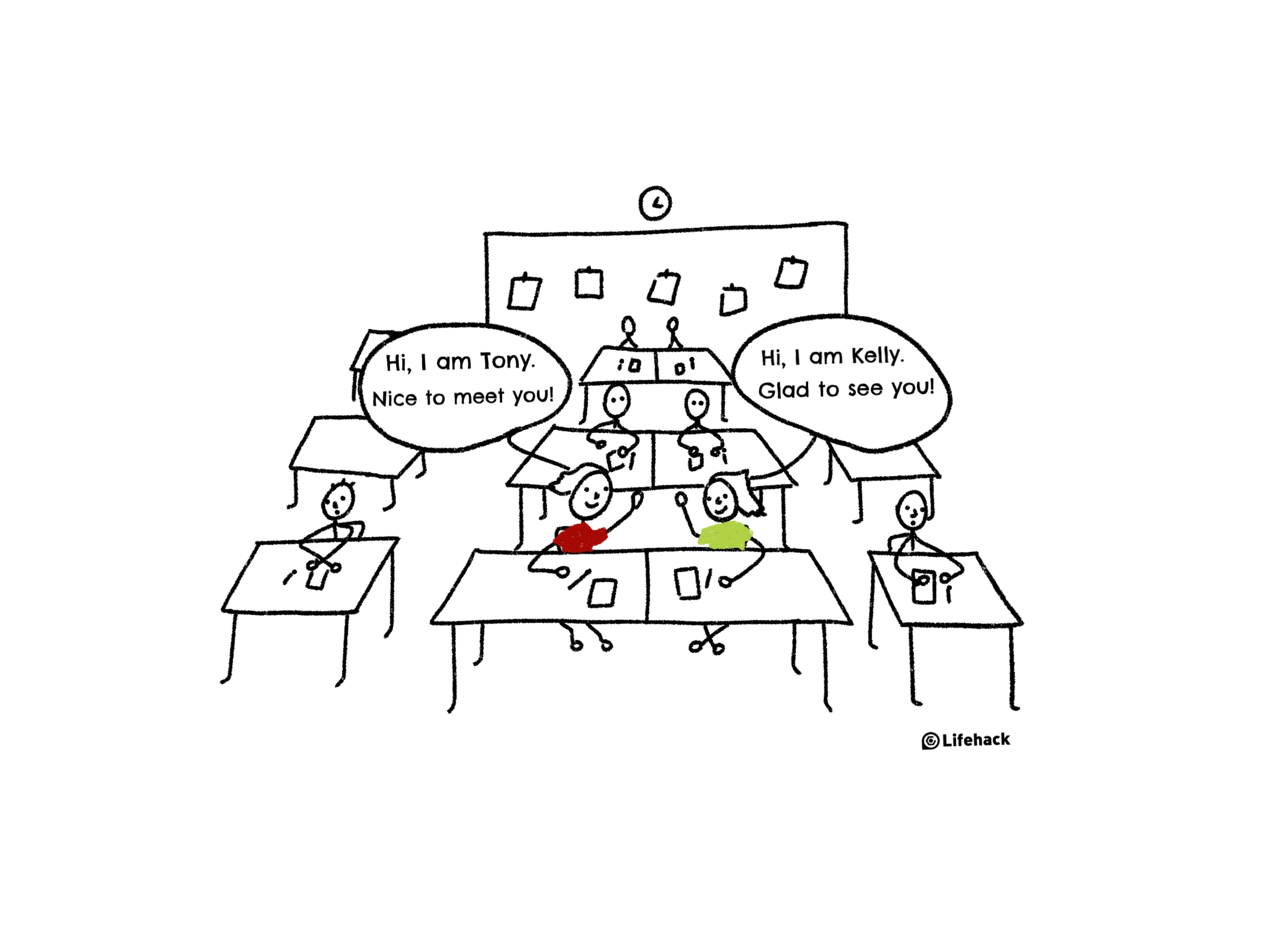
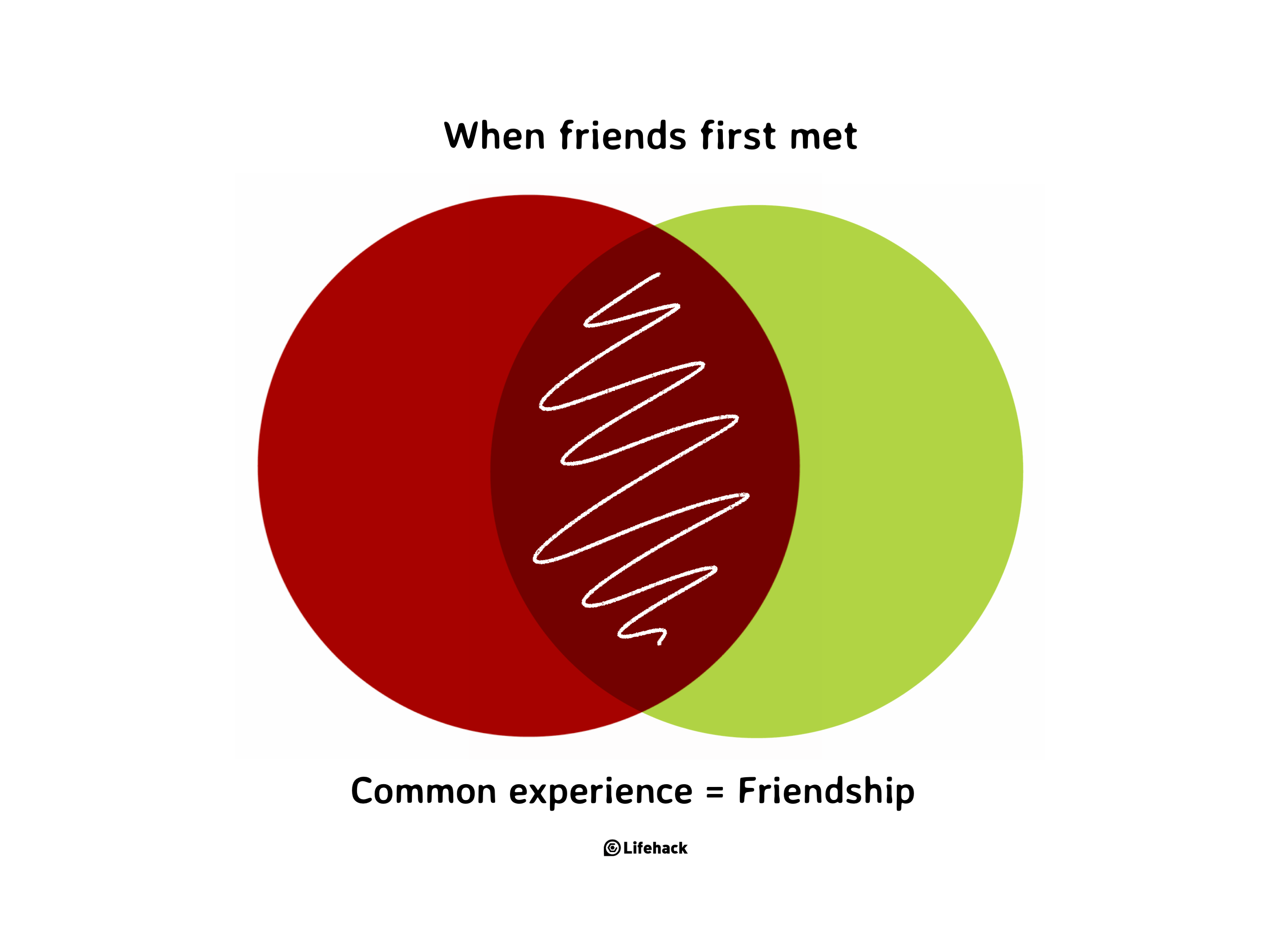
When you were young, the friends you made tend to be defined by common experience, for example living in the same neighborhood, going to the same school, having parents who are friends, riding the same bus, or participating in the same sports or extracurricular activities.

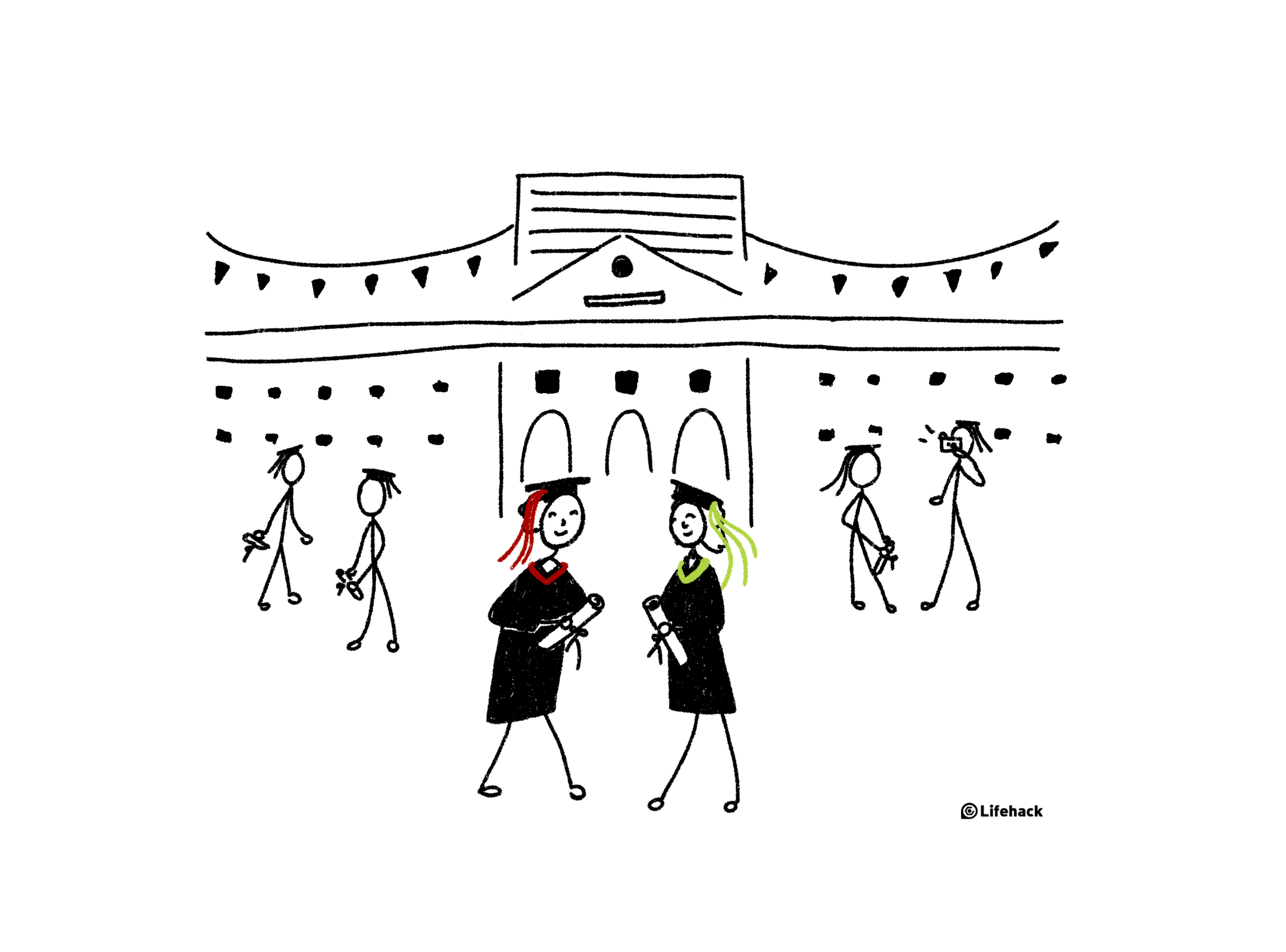
 As you grow older, though, these elements change. You and your friends may move to different towns, have different works, come across different challenges in life, and may even lead a different lifestyle. Some may already get married and have their own children; some maybe traveling around all the times; some may always be busy making money.
 This is when you realize your friendship with these friends has changed.
Research has shown that three main factors of developing adult friendships are proximity, repeated/unplanned interaction, and settings that encourage conversation.[1] If you're constantly moving and working, though, these friendships can be harder to sustain.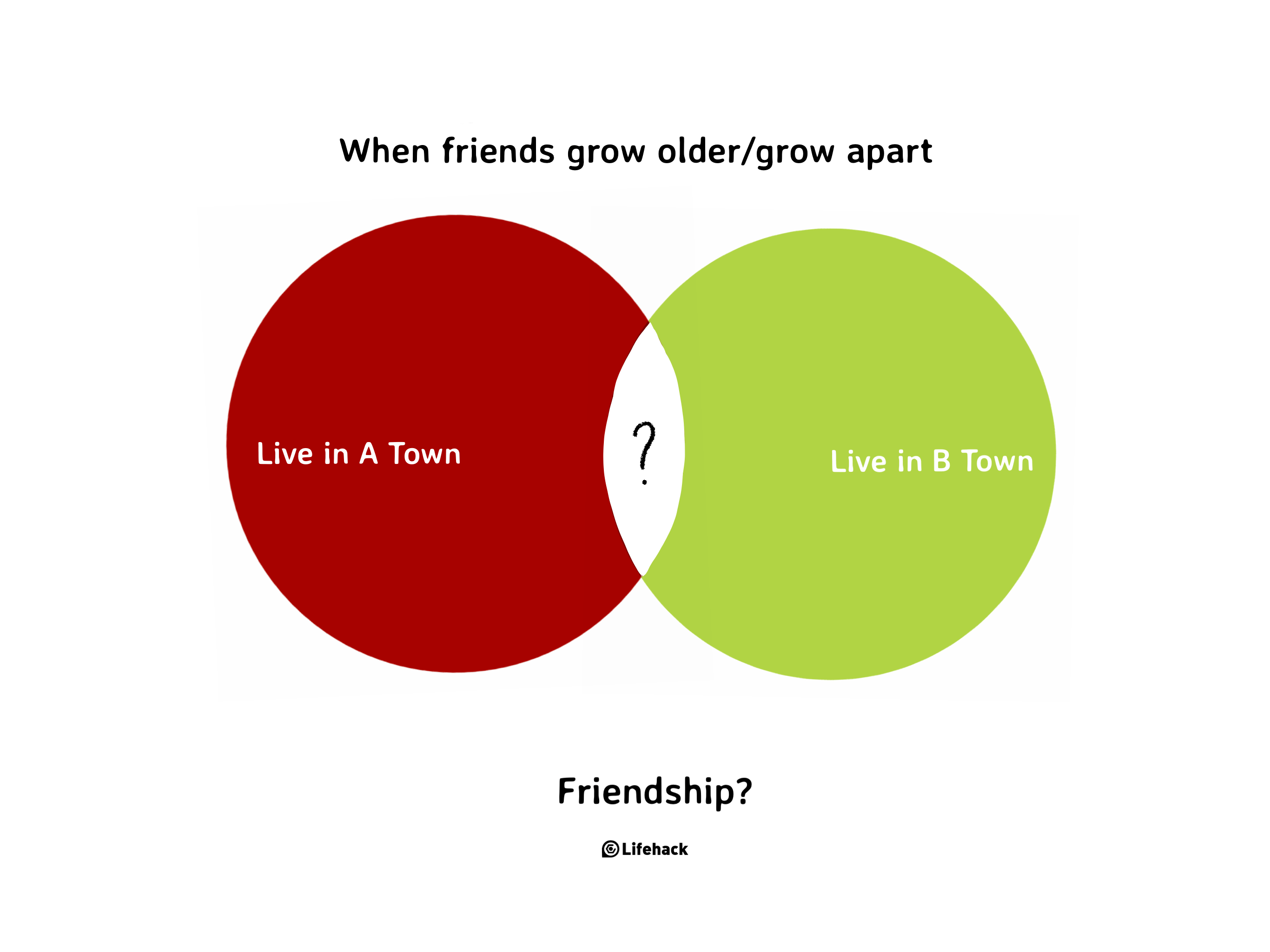 Too often, people focus on having a shared life with others. It's actually less important for friends to physically be in the same life space. Friends need similar core values, which refers to subjective perspectives and beliefs on topics. You can align core values with someone who lives down the street or someone that lives 2,000 miles away.
Think about it like this: if you know someone who lives down the street (proximity), and you see them a lot at events (repeated/unplanned interactions), and it's often in settings like bars and parties that encourage conversation, theoretically you should become friends with this person, right? Not necessarily.
If you and that person's core values are completely misaligned, communication will be nearly impossible. Both of you may try to constantly prove the other person wrong and conflicts will be common.
Core values for humans are not easily changed, without an alignment there, it's very hard for two people to become — and remain — friends.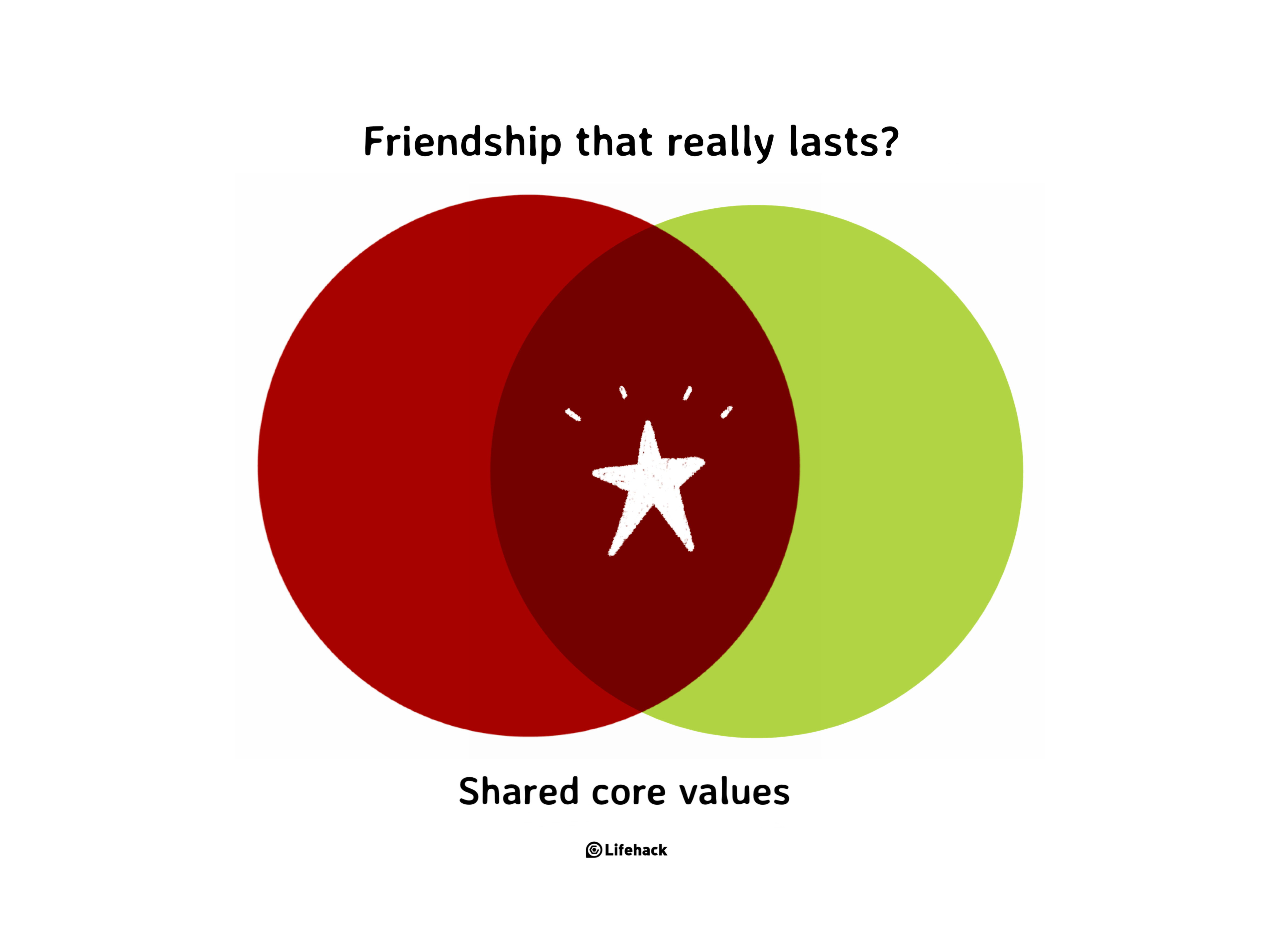 Humans are social animals. This is the core of the human experience. Humans came to dominate the world because we were the only species that could collaborate well, and form bonds, in large numbers.[2] We don't seek just physical company; we seek mental company and an exchange of ideas and values.
Sharing your core values with another, and attempting to understand theirs is akin to sharing a piece of mind. This exchange of value and idea is crucial to satisfying basic human need. You can have a friend who you consistently have fun with, but if this core value exchange isn't there, the friendship will erode when the environment changes. If you have a friend who's fun and you've exchanged life values with, that friendship will remain despite the change of the environment.
Not every core value needs to overlap, it's nearly impossible across any two people. For example, one friend can value punctuality and the other friend can constantly be late. This will make hanging out and communicating harder. But if the friend valuing punctuality is also flexible and adapts to different situations, now the timing is less relevant.
It doesn't have to be a perfect alignment of core values between two people. But there needs to be some, and it needs to be shared.
What you can do is asking "why" in conversations. "Why" leads to deeper answers and discussions then "how" — which primarily goes to process, and "what" — which are only the basic facts. "Why" is the pathway to the thoughts and values of a potential new friend for life.
You don't have to dig into the very deep philosophical questions at the beginning, start with something light like "what's your hobby and why do you like doing it?" or "what's your favorite place and why?" will be enough to get you to understand a person.
To help you have a better idea of what kind of things you can talk about, I've got you a list of questions to try with a potential friend:
As you grow older, though, these elements change. You and your friends may move to different towns, have different works, come across different challenges in life, and may even lead a different lifestyle. Some may already get married and have their own children; some maybe traveling around all the times; some may always be busy making money.
This is when you realize your friendship with these friends has changed.Research has shown that three main factors of developing adult friendships are proximity, repeated/unplanned interaction, and settings that encourage conversation.[1] If you're constantly moving and working, though, these friendships can be harder to sustain.
A Shared Life Is Not Enough to Maintain A Lifelong Friendship
Too often, people focus on having a shared life with others. It's actually less important for friends to physically be in the same life space. Friends need similar core values, which refers to subjective perspectives and beliefs on topics. You can align core values with someone who lives down the street or someone that lives 2,000 miles away.Think about it like this: if you know someone who lives down the street (proximity), and you see them a lot at events (repeated/unplanned interactions), and it's often in settings like bars and parties that encourage conversation, theoretically you should become friends with this person, right? Not necessarily.
If you and that person's core values are completely misaligned, communication will be nearly impossible. Both of you may try to constantly prove the other person wrong and conflicts will be common.
Core values for humans are not easily changed, without an alignment there, it's very hard for two people to become — and remain — friends.
Only the Values We Hold Can Build True Bondings
Humans are social animals. This is the core of the human experience. Humans came to dominate the world because we were the only species that could collaborate well, and form bonds, in large numbers.[2] We don't seek just physical company; we seek mental company and an exchange of ideas and values.Sharing your core values with another, and attempting to understand theirs is akin to sharing a piece of mind. This exchange of value and idea is crucial to satisfying basic human need. You can have a friend who you consistently have fun with, but if this core value exchange isn't there, the friendship will erode when the environment changes. If you have a friend who's fun and you've exchanged life values with, that friendship will remain despite the change of the environment.
Not every core value needs to overlap, it's nearly impossible across any two people. For example, one friend can value punctuality and the other friend can constantly be late. This will make hanging out and communicating harder. But if the friend valuing punctuality is also flexible and adapts to different situations, now the timing is less relevant.
It doesn't have to be a perfect alignment of core values between two people. But there needs to be some, and it needs to be shared.
Find out the Values of A Potential Friend
To find out whether you have shared values with another person, talk openly about your values. Of course, don't say "What are your core values? My core values are.. blah blah blah..." This will sound awkward and the other person may feel uncomfortable about the question.What you can do is asking "why" in conversations. "Why" leads to deeper answers and discussions then "how" — which primarily goes to process, and "what" — which are only the basic facts. "Why" is the pathway to the thoughts and values of a potential new friend for life.
You don't have to dig into the very deep philosophical questions at the beginning, start with something light like "what's your hobby and why do you like doing it?" or "what's your favorite place and why?" will be enough to get you to understand a person.
To help you have a better idea of what kind of things you can talk about, I've got you a list of questions to try with a potential friend:
- Why did you decide to move here?
- What's your favorite podcast/book and why?
- Who's your favorite author/artist and why?
- What's your favorite movie/music and why?
- What do you do and why do you do what you do?
- Who's your biggest inspiration, and why?
- What do you think about when you're alone?
- Are you closer with your mom, dad, or neither? Why?
- What makes you happy and why?
- What upsets you and why?
- What do you like to do during weekend? Why?
- What's the best piece of advice you've ever seen, and why would you say it is?
- What motivates you the most, and why?
- Are you religious, and why?
- Who's your best friend and why are you guys so close?
- What's the main thing you'd like to change about yourself and why?
- Are you proud of some accomplishments so far? If so, why?
- Is there anything you're afraid of and why?
- Do you like traveling and why?
- What's your idea of a perfect vacation and why?
- Do you want to get a tattoo? Why?
- What are most important to you and why?
- If money were no object, what would you do all day and why?
- If you were to die tomorrow, what would you do?