
Social anxiety is the 3rd most common mental health issue in the U.S. In fact, over 19 million people suffer from mild to severe social anxiety today, and “normal” individuals tend to see the symptoms without understanding the nature of the illness and thus do not respond with empathy to sufferers. Common reactions are lazy, aloof, unfriendly, malingerers, hypochondriacs, and misfits.
If someone you care about or work with has social anxiety, you need to recognize the symptoms, understand their illness, and find ways to support that individual, rather than criticize and/or condemn. Here you will find 13 common behaviors of people who have social anxiety and how you need to respond in order to support them.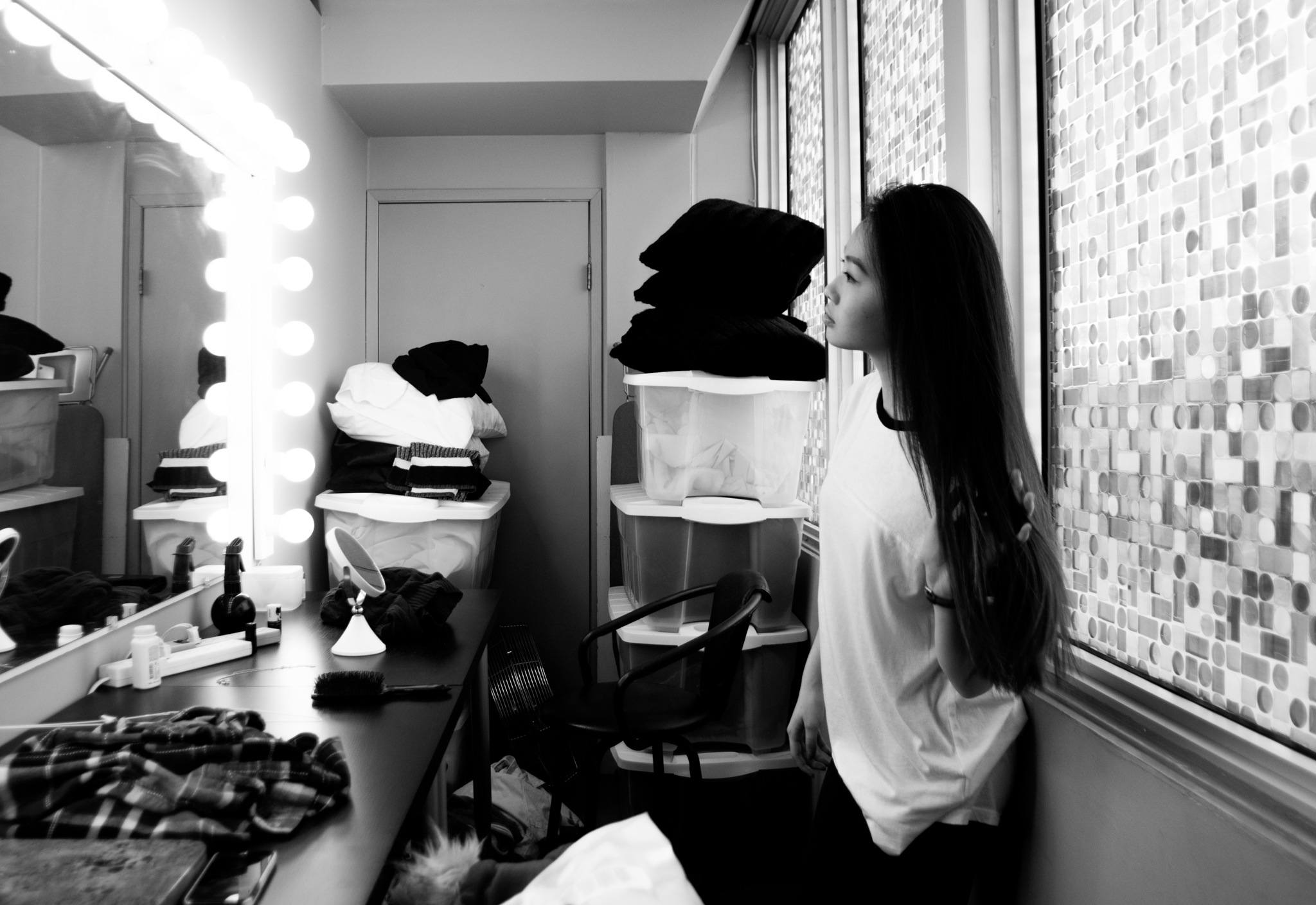 While most people will accept a “bad hair day” or clothing that may not be wonderfully flattering, those with social anxiety put huge emphasis on physical appearance, convinced that they are being regularly judged by how they look. The best response? Give compliments on their physical appearance; tell them that their outfit looks good on them; tell them that the color they are wearing is great; praise any physical feature that you can. This bolsters self-confidence and creates a feeling of acceptance.
 Remember, research shows that people with social anxiety are on “high alert” all of the time. This means that noise, lots of conversation, and large groups of people can overload their sensory intake. They will retreat, shut down, or flee. A study conducted by Gottschalk, M.D. and Haer, Ph.D., published in General Psychiatry, demonstrates that sensory overload and social impairment are directly related, particularly in individuals who have generalized social anxiety issues. Thus, if you are “forcing” a socially anxious person to participate in such activities, you are presenting him/her with an almost “impossible” situation. Tone down the activities in which you are asking your loved one to participate, at least for now.
 They don’t feel “okay,” and they do not want someone continually asking them that question. Instead, you need to recognize the immediate condition and provide reassuring and positive comments, such as, “You’ve had these attacks before, and you have gotten through them. You will get through this one too. I am here to give you whatever help you need or to just leave you alone if that is what you want.”
 While you are trying to get the anxious person to get motivated to participate in events and social situations, that person just needs to step back and get some perspective, allowing a gradual build-up to the participation that you may want right now. It is far better that you respond with a comment like, “It’s okay, I can go by myself. You stay here, and I’ll see you later,” rather than, “I don’t understand what is wrong with you! All I’m asking is that you go to this event with me!” Try to stop focusing on your needs and focus on theirs.
If someone you care about or work with has social anxiety, you need to recognize the symptoms, understand their illness, and find ways to support that individual, rather than criticize and/or condemn. Here you will find 13 common behaviors of people who have social anxiety and how you need to respond in order to support them.
1. They want to be recognized for something other than just their social maladaptation.
A mental health issue does not define a person - it is simply one trait possessed right now. People with this affliction can be intelligent, can be productive, and can have a number of personalities and professional traits that are quite positive. Recognizing and praising these positive traits will show that you see beyond this single “negative” and can see their value as a whole person.2. They get tired easily.
And they may sleep more or may be too exhausted to engage in normal activites. Think about it. They spend all of their waking hours that are outside of their “safe” places (usually their homes) worrying about what situations they may find themselves in, what they will say if addressed in any manner, how they will cope with a meeting at work or a class discussion in school. Their brains are relentlessly churning, and that can be exhausting. Rather than criticizing them for their tiredness, how about putting yourself in that mental situation? Would you be exhausted? Of course you will be! Rather than criticizing them, suggest a short time out or nap.3. They can “shut down” or “zone out.”
This is a defense mechanism, and we all have them, even though they may not present themselves in this manner. Some of us may become angry or irritable; some of us may be subject to “rants” of sorts. So why do we criticize socially anxious people for their defense mechanisms simply because they are different from us? Part of developing empathy for socially anxious people is to recognize that they have their own responses to stress, just as we do.4. They are horribly self-conscious.
While most people will accept a “bad hair day” or clothing that may not be wonderfully flattering, those with social anxiety put huge emphasis on physical appearance, convinced that they are being regularly judged by how they look. The best response? Give compliments on their physical appearance; tell them that their outfit looks good on them; tell them that the color they are wearing is great; praise any physical feature that you can. This bolsters self-confidence and creates a feeling of acceptance.
5. They will have more health issues, as their immune systems are continually compromised.
A UCLA study showed that social anxiety increases inflammatory activity of those parts of the brain that trigger immune system functions. Continued activation of this system wears it down and makes the body more subject to illness and disease. Rather than criticize or accuse someone of hypochondria, understand and accept the fact that there is a real physical cause of more frequent illness.6. They respond differently to stimuli that you consider normal and even pleasant.
Remember, research shows that people with social anxiety are on “high alert” all of the time. This means that noise, lots of conversation, and large groups of people can overload their sensory intake. They will retreat, shut down, or flee. A study conducted by Gottschalk, M.D. and Haer, Ph.D., published in General Psychiatry, demonstrates that sensory overload and social impairment are directly related, particularly in individuals who have generalized social anxiety issues. Thus, if you are “forcing” a socially anxious person to participate in such activities, you are presenting him/her with an almost “impossible” situation. Tone down the activities in which you are asking your loved one to participate, at least for now.
7. They have a great deal of difficulty dealing with change of any kind.
You may be excited about a career change or a transfer that will move you to a new city and new experiences. Your partner or spouse will not share that excitement if they suffer from social anxiety. Any changes can be a horrible threat to “safety,” and you must recognize it. In your excitement, you cannot dismiss the anxiety of your loved one. Find ways to acclimate your partner to the change gradually or share some information on how to organize your move to another place without any extra mess, to give small incremental experiences in the new environment, so that they are not overwhelmed.8. They want positive responses to their anxiety attacks, not just nebulous comments, such as, “Are you going to be okay?”
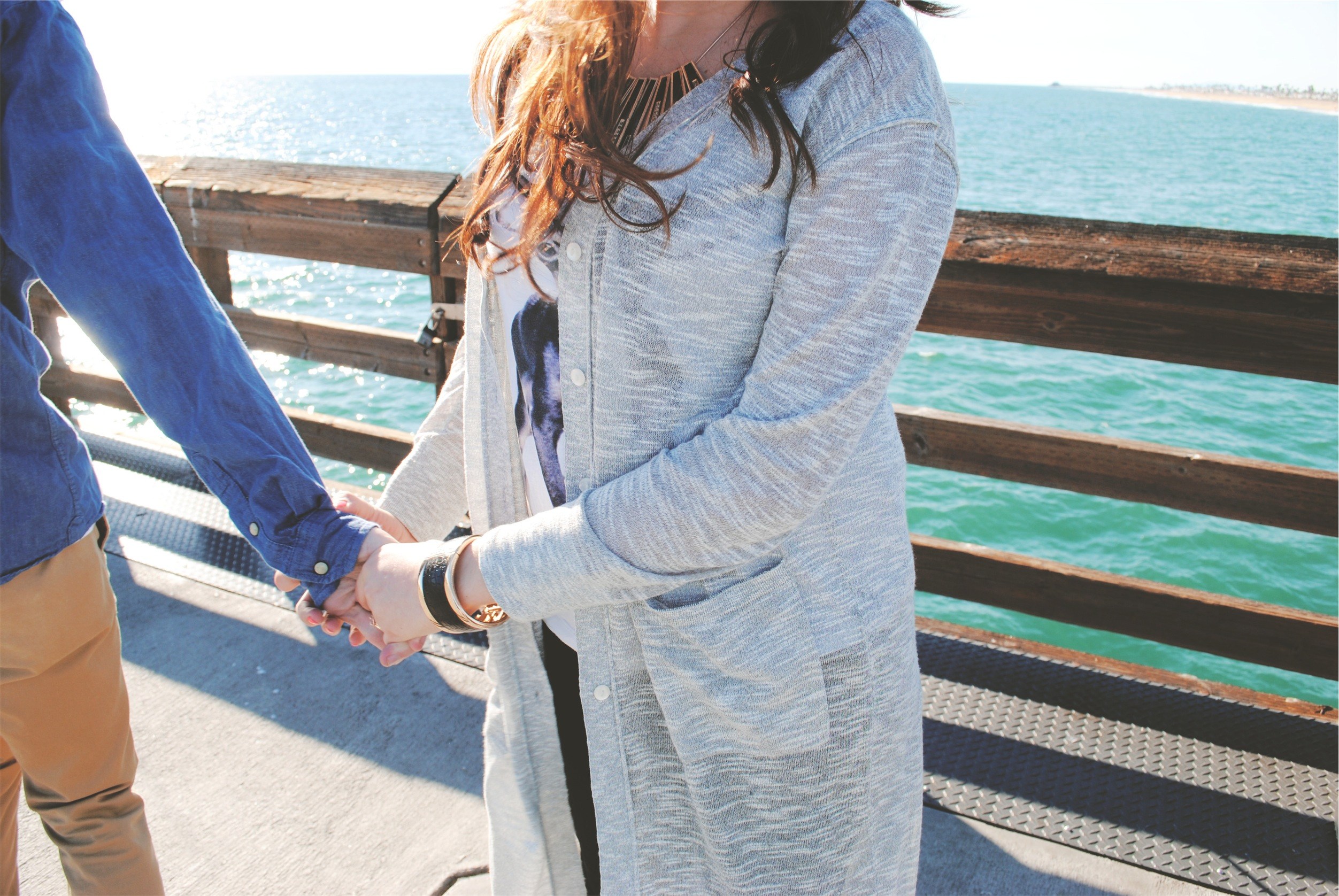
They don’t feel “okay,” and they do not want someone continually asking them that question. Instead, you need to recognize the immediate condition and provide reassuring and positive comments, such as, “You’ve had these attacks before, and you have gotten through them. You will get through this one too. I am here to give you whatever help you need or to just leave you alone if that is what you want.”
9. They store previous traumatic events in a different part of their brains than other people.
We are all subject to traumatic events in our lifetimes – the death of a loved one; being the victim of bullying or abuse; catastrophes in our childhood or adolescence; violence in wartime. People who do not suffer social anxiety from such events store those memories in the left frontal portions of their brains; people who develop social anxiety store those memories in the back regions of their brains – those regions in which sensory perceptions are housed. Thus, the sights, sounds, smells, etc. of those experiences are recalled when similar sensory experiences are encountered (Dr. Ruth Lanius, University of Western Ontario, study published in the American Journal of Psychiatry, Jan., 2004). Understanding that the individual with social anxiety may be “re-living” prior traumatic experiences differently can go a long way towards understanding and developing sensitivity to their responses to current situations which stimulate those memories.10. They need their “space.”
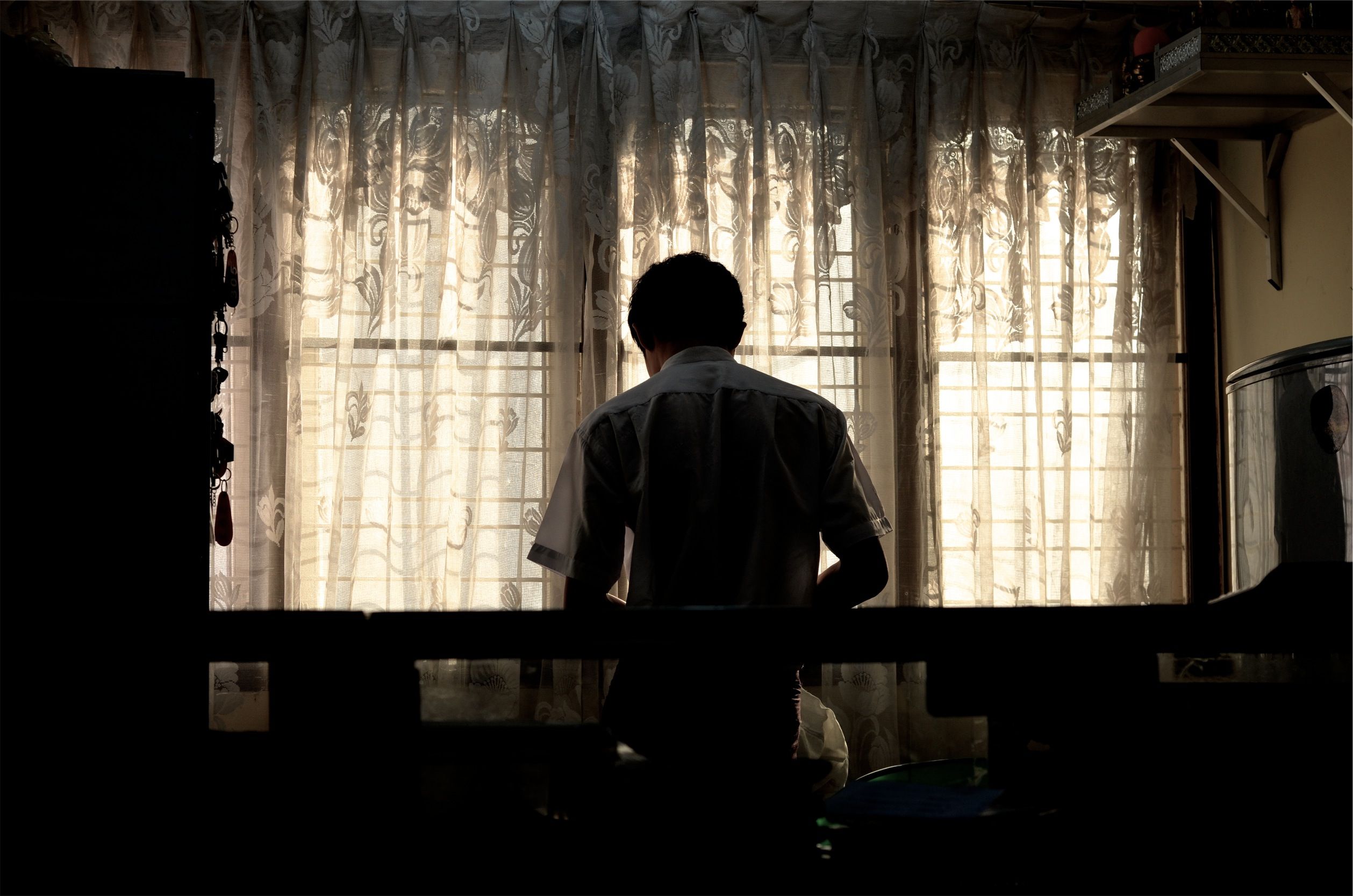
While you are trying to get the anxious person to get motivated to participate in events and social situations, that person just needs to step back and get some perspective, allowing a gradual build-up to the participation that you may want right now. It is far better that you respond with a comment like, “It’s okay, I can go by myself. You stay here, and I’ll see you later,” rather than, “I don’t understand what is wrong with you! All I’m asking is that you go to this event with me!” Try to stop focusing on your needs and focus on theirs.