

The wide variety of plants that thrive indoors make for affordable, versatile decor, while having the added benefits of cleansing the air in your home and circulating more oxygen. Houseplants are even a key element of effective feng shui. But some of us were born with a black thumb rather than a green one and can't seem to keep plants alive long enough to appreciate them. It could be a curse, or you could just be way too busy to care for your plants.
The good news is there are several hardy plant species that require little skill or effort to maintain in your home. Below are eight houseplants that are made of sterner stuff, so you can get your feng shui on.
The good news is there are several hardy plant species that require little skill or effort to maintain in your home. Below are eight houseplants that are made of sterner stuff, so you can get your feng shui on.
1. Cast-iron plant
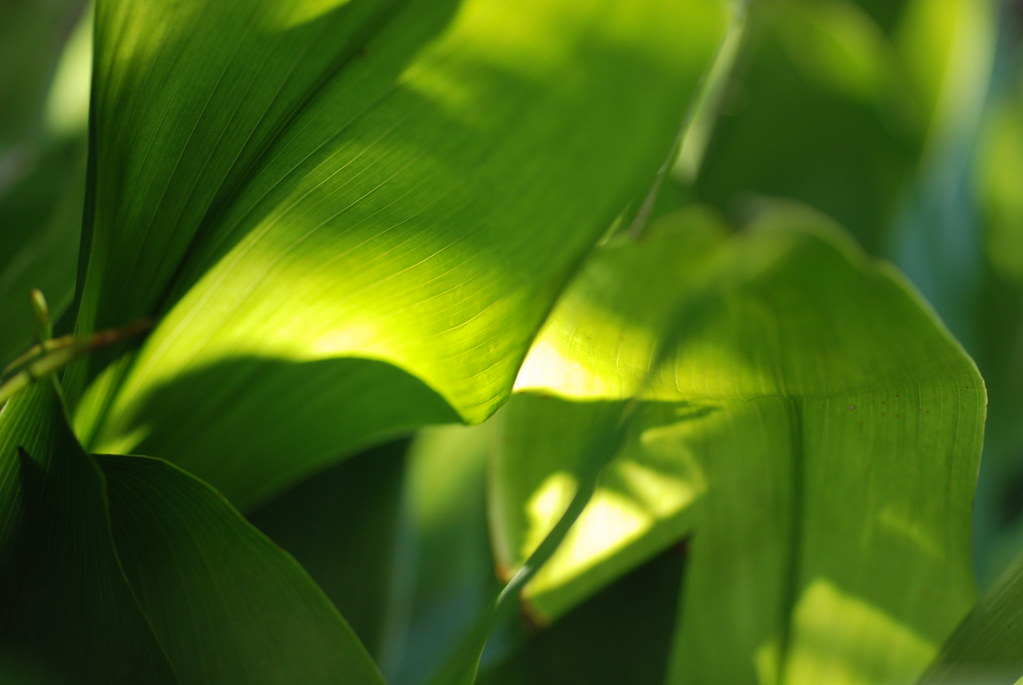
Aspidistra elatior aka the "cast-iron plant" is as tough as its name suggests. Low light, infrequent watering, poor quality soil, and even temperature fluctuation don't bother it. It can survive in temperatures as low as 23 °F (−5 °C) before it begins to perish. Cast-iron plants are perfect for spots that aren't next to windows; direct sunlight will damage their leaves. Ensure your pot has some kind of hole(s) for its soil to gently drain, otherwise it will do quite well with little attention. White and pink-ish flowers blossom around early summer.
2. Spider plant
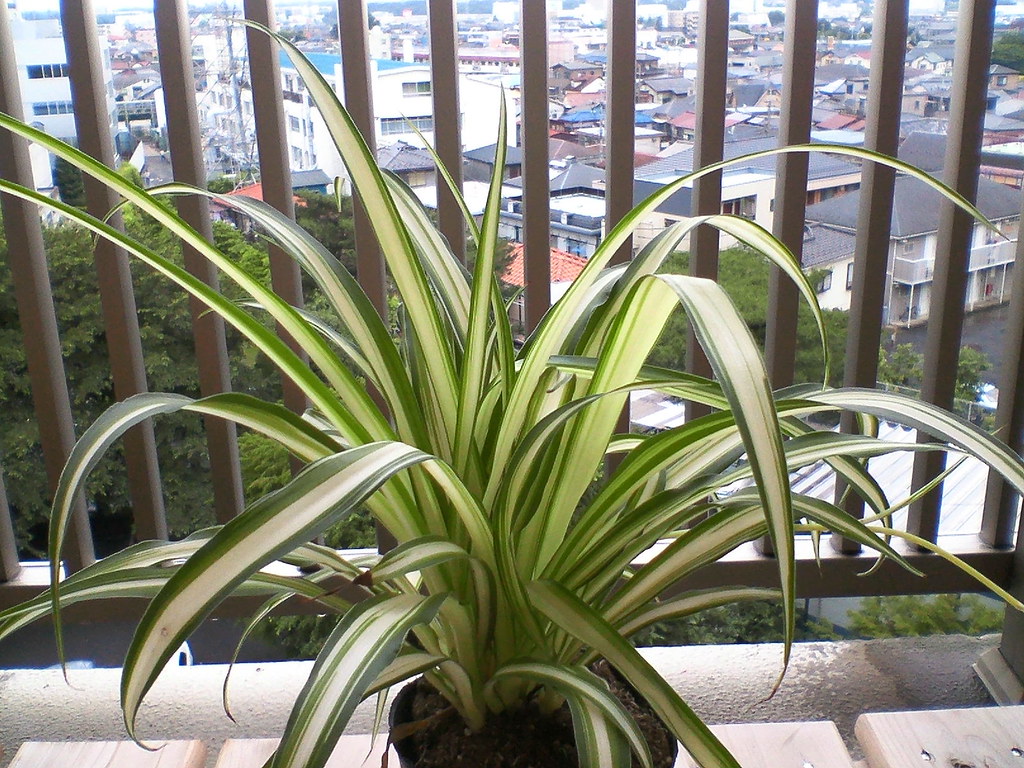
Snake plants (Chlorophytum comosum) do well even if their roots are crowded in a small-ish pot, meaning you won't have to worry much about transferring a plant that gets too big. It typically grows to about 2 ft. (60 cm.) high and produces sparse amounts of small white flowers. They can live in temperatures down to 35 °F (2 °C), though room temperature is best for growth. There's evidence that snake plants can reduce small amounts of indoor air pollution.
3. Kalanchoe
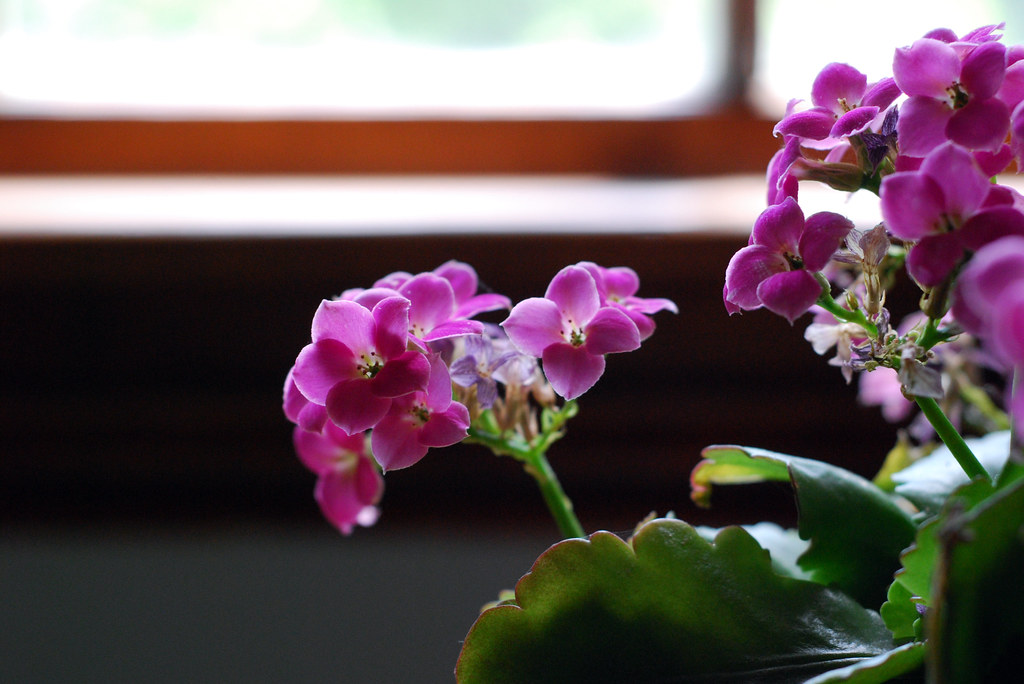
This pretty flowering plant doesn't mind temperature shifts or dry climates. Being a type of succulent, they require little water. The Kalanchoe plant doesn't tolerate super low temperatures, with a minimum temperature tolerance of roughly 45 °F (~7 °C), but that may not be a problem in most homes. They are a popular plant for their abundant and colorful blossoms.
4. ZZ plant
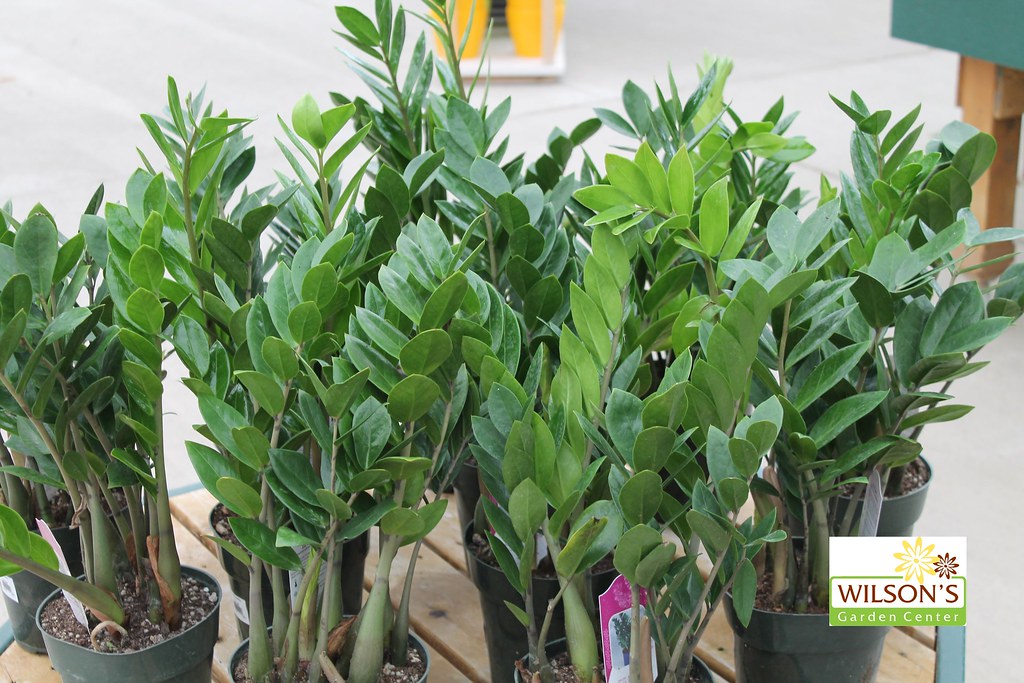
The ZZ plant (Zamioculcas zamiifolia), also called the "Zanzibar Gem", is so hardy, drought just changes it from evergreen to deciduous, so forgetting to water it for a while probably won't kill it. In fact, watering it too frequently increases risk for root-rot. It tolerates low-ish light levels and does best in room temperature or warmer temperatures.
5. Jade plant
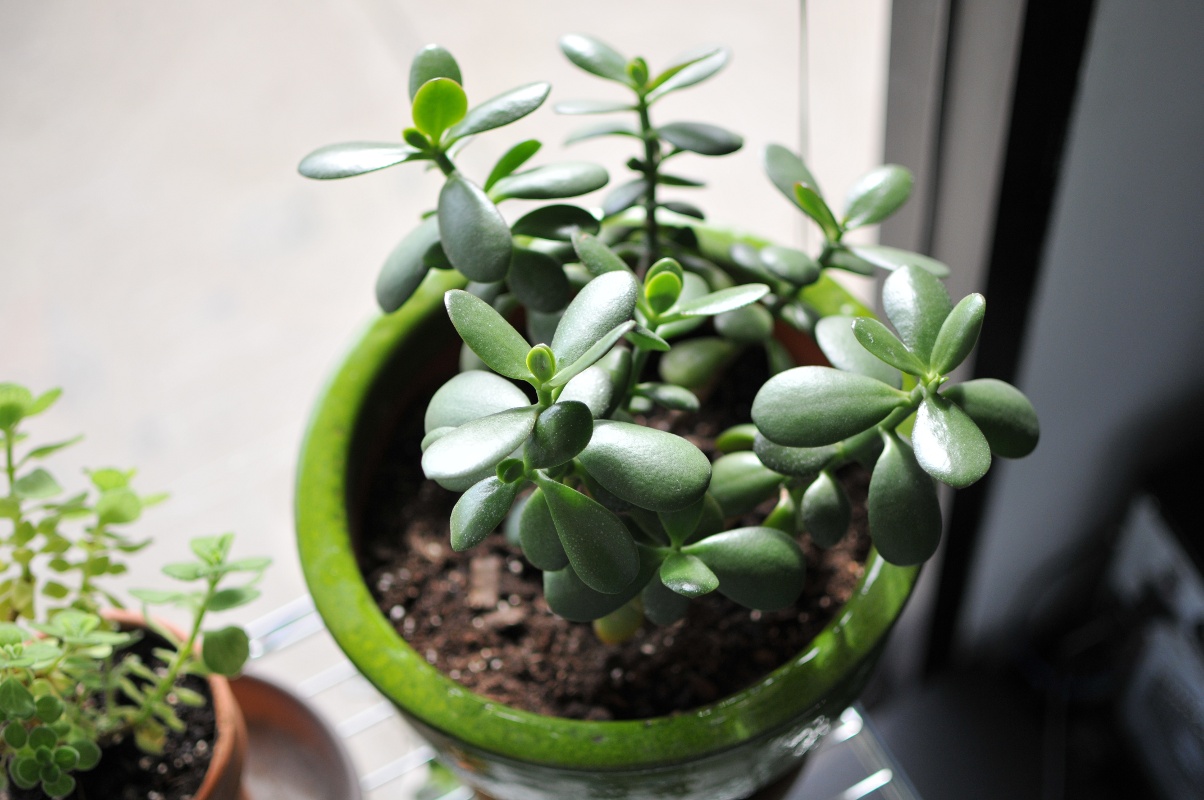
Crassula ovata has several common names including jade plant, lucky plant, and money tree. It doesn't like bright sunlight and can be watered relatively infrequently in the summer, even less in the winter, when it typically sprouts tiny white flowers. The main requirement for a jade plant is that it's planted in rich soil and has a pot that allows proper drainage. Jade plants are also good for bonsai if that interests you.
6. Ponytail palm
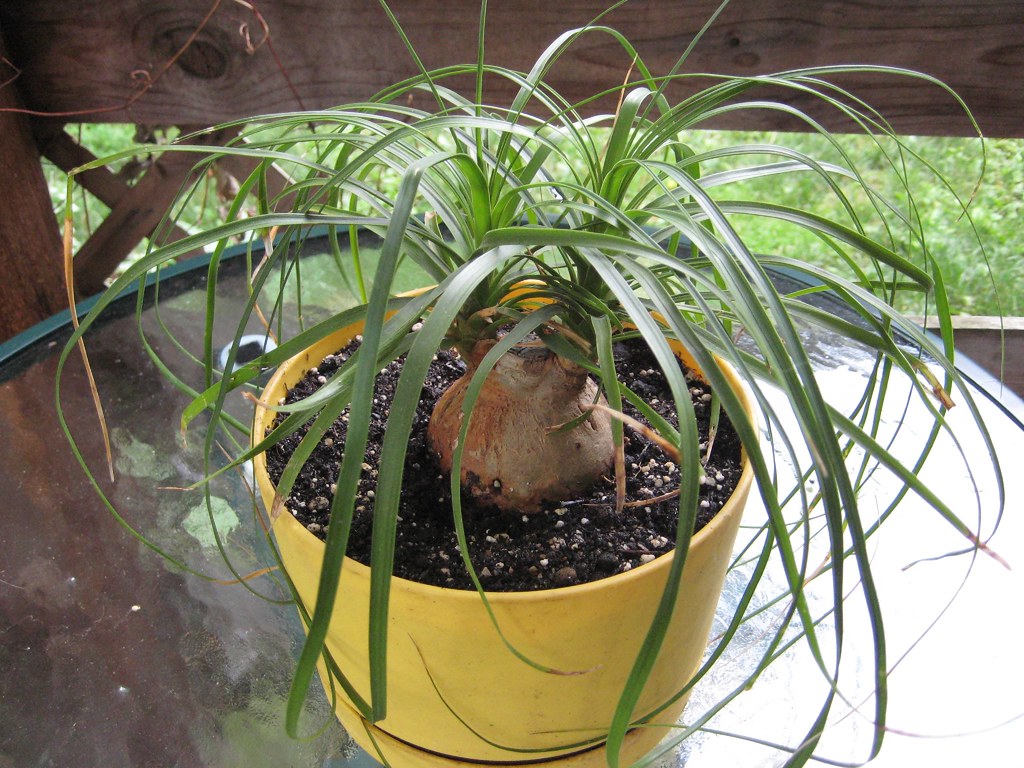
Ponytail palms (Beaucarnea recurvate) are often planted outside where they can grow quite large, but can also be grown inside in varying sizes. They prefer to be placed by a sunny window, but don't require a ton of watering and does well in dryer fast-draining soil. It may need to be re-potted once per year as it grows, but this is relatively low-maintenance for a pretty plant that can serve as a larger decoration.
7. Crown of thorns
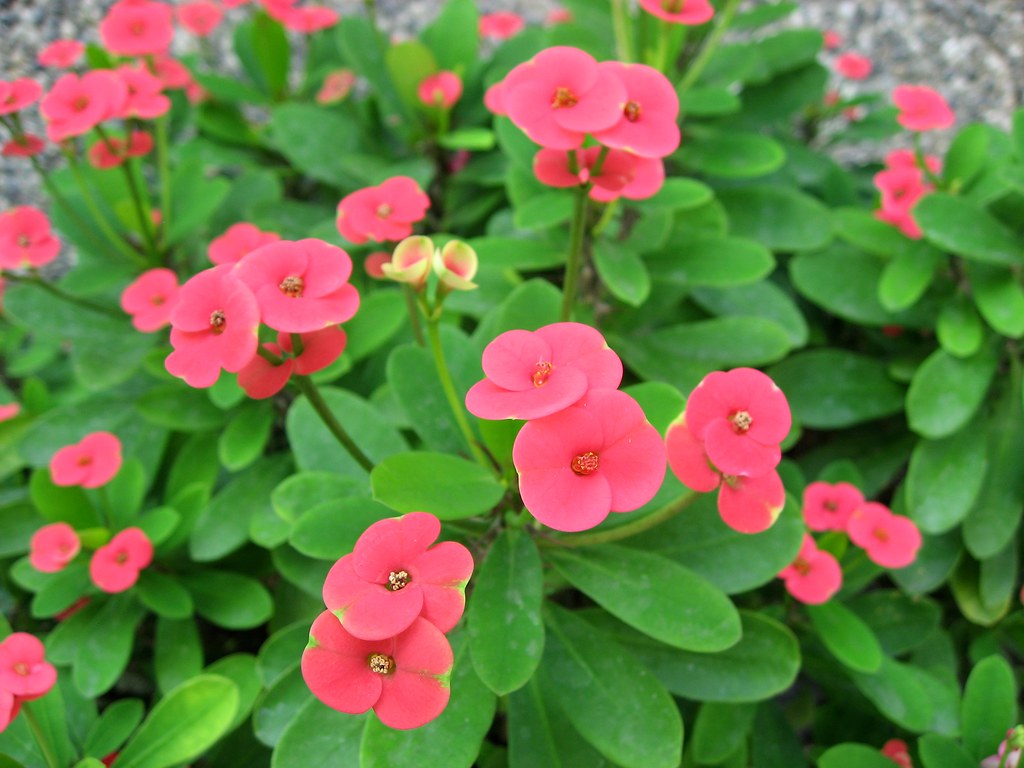
Euphorbia milii or "crown of thorns" is a succulent that produces beautiful red-ish to white flowers with an interesting petal formation. It doesn't like too much water but may enjoy an occasional spritz with a spray bottle on its leaves, and the flowers stick around all year. A bit of caution: contact with its sap or small thorns causes itching and swelling of the skin, so wear gloves if handling the plant.
8. Mother-in-law's Tongue
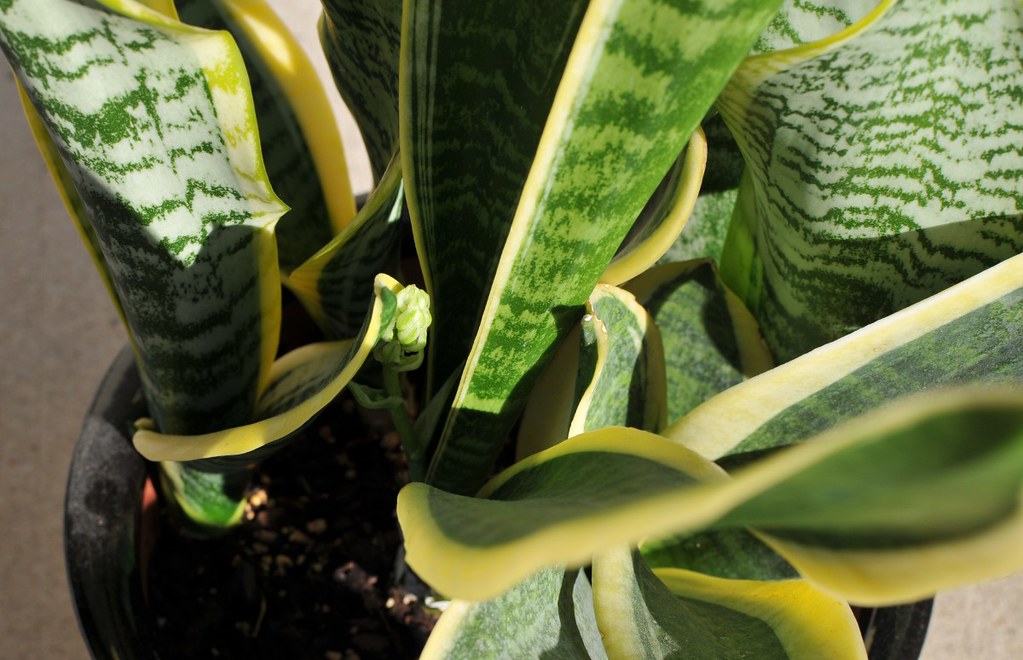
Mother-in-law's tongue or snake plant will thrive even under neglect, and can go a month without being watered. This plant is particularly good at tolerating low levels of light, and is probably one of the toughest houseplants to kill. It is one of the best houseplants for reducing indoor toxins like nitrogen oxides and formaldehyde.


