

Till recently, menopause was considered strictly a female-only condition, but the medical community now believes that even men go through a similar condition, more commonly referred to as male menopause. More and more men report somewhat identical symptoms which, like female menopause, also appear to be relieved with hormone therapy, more specifically a male hormone known as testosterone. There are some natural menopause relief products too that can help men during this stage.
Male menopause is associated with a decline in testosterone level, which is part of the aging process. Some doctors refer to this testosterone decline as androgen. However, aging is not the only cause of low testosterone which also comes with other conditions, one being diabetes.
Other common symptoms of male menopause are:
Here are some surprising facts about male menopause and a few infos about menopause quick treatments that can help men battle this phase of their lives:
Male menopause is most commonly associated with decreased sex drive. However, this loss in sex drive differs between men and women. In women, loss of libido or sex drive is the result of low estrogen levels resulting from menopause. Loss of libido affects about 25 percent of men which is usually attributed to the loss of masculinity. Loss of sex drive in men is typically due to:
About 10 percent of men suffer from erectile dysfunction. In most cases, the cause is some underlying medical condition. Erectile dysfunction, also called male impotence, is a condition where a man’s penis does not remain erect long enough for satisfactory sexual performance.
A penis becomes erect when it is engorged with blood which stems from sexual arousal. This is caused by signals from the brain to the nerves in the penis. Erectile dysfunction is said to occur when this does not happen and the penis does not become erect, or does not remain that way for long enough.
Male menopause, which is due to hormonal changes, displays many of the same symptoms as female menopause including menopause hot flashes, but by far, the most common symptom is erectile dysfunction.
One of the solutions to andropause or male menopause is to lose excess weight. This is possible through an exercise regimen and dieting, both of which are difficult to observe. Some doctors advise stress reduction, restricting one’s sugar intake, eating a healthier diet and taking zinc supplements. However, before embarking on any such program, one should consult one’s doctor, especially in case the person suffers from some pre-existing medical conditions.
Fatigue is a very common symptom of menopause. Fatigue is associated which a continuous, enduring feeling of tiredness, weakness and diminished energy levels. Other symptoms of fatigue are irritability, apathy and decreased attention span. Crashing fatigue, which comes on suddenly, happens when a person is so depleted of energy that it totally restricts him from performing his normal activities.
Fatigue is generally caused by hormonal changes, which impact energy levels. The solution lies in investigating the matter further to determine the underlying cause of hormonal imbalance, and treat it to restore energy levels. Chronic fatigue can be debilitating as it can impact daily activities, strain personal relationships, and affect both quality of life and work productivity.
Depression is another symptom of menopause. Most men and women experience depression during mid-life, the reason for which is not clearly understood. The most common symptoms of menopausal depression are:

Anxiety is a common menopausal symptom with men and women. Anxiety is best described as a psychological state typified by extreme and relentless tension, worry and nervousness. Anxiety can manifest itself in various ways determined by the primary symptoms, causes and features. Anxiety is also associated with difficulty in concentrating, nervousness, inability to relax, a permanent feeling of tension, irritability, restlessness and constant vigilance. Male menopause is an unavoidable condition that a man has to endure and needs no treatment unless it causes distress. The best form of treatment, in extreme conditions, is to seek medical advice. Normal treatment includes antidepressants, therapy and lifestyle changes. Additionally, one should try to reduce stress, exercise regularly and observe a healthy diet.
These days, many alternative treatments for menopause immediate relief are being tried and tested, along with some specific products for menopause, though they are yet to be vouched for in many cases. Hormone replacement therapy is a controversial option, which could have potentially damaging side-effects and could place the patient at the risk for prostate cancer.
Men seeking menopause immediate relief routes should ideally consult their doctors or health practitioners rather than popping pills or opting for methods that could turn out to be detrimental to their health.
Male menopause is associated with a decline in testosterone level, which is part of the aging process. Some doctors refer to this testosterone decline as androgen. However, aging is not the only cause of low testosterone which also comes with other conditions, one being diabetes.
Other common symptoms of male menopause are:
- Fatigue
- Depression
- General weakness
- Sexual problems
Here are some surprising facts about male menopause and a few infos about menopause quick treatments that can help men battle this phase of their lives:
1. Loss of Libido (sex drive) in Men
Male menopause is most commonly associated with decreased sex drive. However, this loss in sex drive differs between men and women. In women, loss of libido or sex drive is the result of low estrogen levels resulting from menopause. Loss of libido affects about 25 percent of men which is usually attributed to the loss of masculinity. Loss of sex drive in men is typically due to:
- Blood pressure
- Fatigue
- Use of certain medication
- Performance anxiety
2. Erectile dysfunction
About 10 percent of men suffer from erectile dysfunction. In most cases, the cause is some underlying medical condition. Erectile dysfunction, also called male impotence, is a condition where a man’s penis does not remain erect long enough for satisfactory sexual performance.
A penis becomes erect when it is engorged with blood which stems from sexual arousal. This is caused by signals from the brain to the nerves in the penis. Erectile dysfunction is said to occur when this does not happen and the penis does not become erect, or does not remain that way for long enough.
Male menopause, which is due to hormonal changes, displays many of the same symptoms as female menopause including menopause hot flashes, but by far, the most common symptom is erectile dysfunction.
3. Losing weight, exercising and dieting are hard

4. Fatigue is the most common menopause symptom
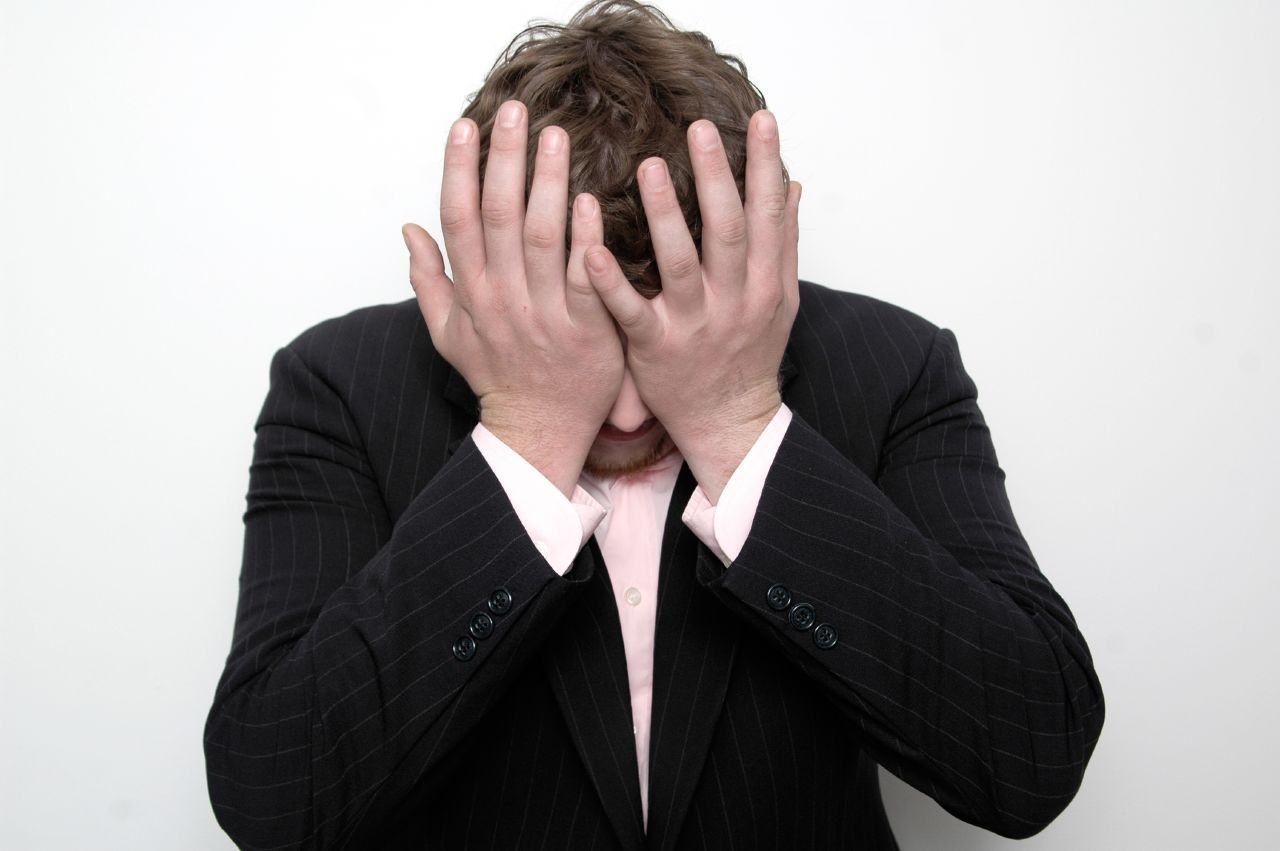
Fatigue is generally caused by hormonal changes, which impact energy levels. The solution lies in investigating the matter further to determine the underlying cause of hormonal imbalance, and treat it to restore energy levels. Chronic fatigue can be debilitating as it can impact daily activities, strain personal relationships, and affect both quality of life and work productivity.
5. Depression during menopause

- A depressed mood swing that lasts for two weeks or more
- Lack of interest or inability to derive pleasure in normal activities
- Change in appetite causing lack of appetite or compulsive eating
- Sleeping excessively or inability to fall asleep
- Loss of energy and fatigue
- Inability to concentrate
- Loss of self-esteem
- Feelings of guilt
- Intense irritability and restlessness
- Suicidal thoughts
6. Anxiety due to menopause
Anxiety is a common menopausal symptom with men and women. Anxiety is best described as a psychological state typified by extreme and relentless tension, worry and nervousness. Anxiety can manifest itself in various ways determined by the primary symptoms, causes and features. Anxiety is also associated with difficulty in concentrating, nervousness, inability to relax, a permanent feeling of tension, irritability, restlessness and constant vigilance.
7. Treating male menopause
Male menopause is an unavoidable condition that a man has to endure and needs no treatment unless it causes distress. The best form of treatment, in extreme conditions, is to seek medical advice. Normal treatment includes antidepressants, therapy and lifestyle changes. Additionally, one should try to reduce stress, exercise regularly and observe a healthy diet.These days, many alternative treatments for menopause immediate relief are being tried and tested, along with some specific products for menopause, though they are yet to be vouched for in many cases. Hormone replacement therapy is a controversial option, which could have potentially damaging side-effects and could place the patient at the risk for prostate cancer.
Men seeking menopause immediate relief routes should ideally consult their doctors or health practitioners rather than popping pills or opting for methods that could turn out to be detrimental to their health.