If you find drinking water a little too plain, tea is another healthy drink option. There are plenty of studies telling us the health benefits of drinking tea. Whether it's hot or cold, it's still a great refreshment. While people these days are getting more obsessed with matcha (or green tea), oolong is a great alternative that can also improve your health.
Oolong tea is made from the leaves, buds, and stems of the Camellia sinensis plant. It is slightly fermented and semi-oxidized, giving it a taste in between black and green tea.[1] Oolong can be enjoyed in many forms with a wide variety of Oolong teas - the most famous oolong comes from the Fujian province of China. Additionally, there are many benefits of drinking Oolong tea.
Oolong tea is made from the leaves, buds, and stems of the Camellia sinensis plant. It is slightly fermented and semi-oxidized, giving it a taste in between black and green tea.[1] Oolong can be enjoyed in many forms with a wide variety of Oolong teas - the most famous oolong comes from the Fujian province of China. Additionally, there are many benefits of drinking Oolong tea.
What Are the Benefits of Oolong Tea?
The health benefits of tea range far and wide, and a cup of oolong tea goes a long way when it comes to your well-being.As one of the most popular and traditional types of tea in China and Taiwan, oolong tea is known to provide robust health benefits when consumed regularly due its content. The oolong leaf is high in antioxidants and contains catechin and caffeine, both of which fight free radicals.[2]
Here are the nutritional values of 1 serving(8 fl oz) of oolong tea. [3]
- Calories: 90
- Fat: 0 g
- Cholesterol: 0 mg
- Sodium: 10 mg
- Total Carbohydrates: 24 g
- Vitamin C: 100 %
How Can I Benefit From Drinking Oolong Tea?
There are many health benefits of oolong tea. Following are some of these benefits:1. Boosts Your Metabolism, Causing Weight Loss
Oolong tea helps you burn fat faster by increasing your metabolism, and it also contains polyphenols that can block fat-building enzymes.[4] This means you can lose weight with oolong tea, so long as you don't load it with refined sugar and artificial sweeteners. If your tastes lean towards sweet tea, consider using a small amount of raw honey, maple syrup, or stevia—all of which are sugars low on the glycemic index.[5]2. Lowers Cholesterol
Oolong is known to reduce cholesterol levels and promote heart health. Because oolong tea is semi-oxidized, it provides a perfectly sized polyphenol molecule capable of activating the lipase enzyme, which is known to dissolve body fat.[6]3. Increases Mental Alertness
This healing hot cuppa is known to revitalize your mental alertness and performance due to its contains caffeine content.[7] Be careful if you are sensitive to caffeine, and limit your consumption to one lightly steeped cup a day, or indulge a few times a week.4. Aids Digestion
For those who are not caffeine sensitive, oolong can aid digestion. The tea alkalinizes the digestive tract, reducing inflammation in people who suffer from acid reflux or ulcers. Oolong tea can help you get rid of bad bacteria in your stomach because it is mildly antiseptic.[8] The calm, smooth flavor of oolong tea can soothe the stomach when consumed hot.5. Promotes Healthy Hair
Due to its high level of antioxidants, oolong tea can prevent hair loss if you make a tea rinse out of the leaves.[9] Not only that, it can make your hair thicker and shinier. Oolong softens and adds luster to your hair.6. Betters Your Skin Condition
Eczema is often associated with allergies or sensitivities. Because it combats free radicals, which is a healing property of an antioxidant, oolong tea is capable of suppressing allergic reactions.[10] Also, the antioxidants found in oolong are essential for vibrant, youthful skin. Drinking oolong can greatly slow down the aging process, so it's also a great anti-aging tool.[11]7. Stabilizes Blood Sugar
When you have type 2 diabetes, your blood glucose levels are elevated. Studies have shown that those suffering from diabetes could benefit from drinking oolong tea. It has decreases the blood glucose to a healthy level.[12] The antioxidants in oolong, which income from polyphenols, do wonders in metabolizing sugar.8. Prevents Tooth Decay
Both oolong and green tea protect the teeth from acid produced by certain bacteria. The production of acid and the growth of bacteria are both inhibited by oolong tea, which means it is effective in preventing tooth decay and build-up plaque.9. Prevents Osteoporosis and Forms Strong Bones
Oolong can protect your bones and prevent osteoporosis. Those who drink oolong tea on a regular basis are less likely to lose bone mineral density, which aids in the retention of minerals from healthy foods consumed.[13] It has been discovered that oolong contains magnesium and calcium in its leaves.10. Strengthens the Immune System
Known for its anti-cancer properties, oolong tea assists in maintaining a healthy immune system.[14] The antioxidant flavonoids in tea protect cells from damage. Anti-bacterial protein production is much higher in oolong tea drinkers, indicating a strong immune response when fighting infection.11. Protects the Longevity of Your Mind
Oolong tea has been shown to have neuroprotective properties, which may increase the longevity of your brain cells and potentially prevent neurodegenerative diseases.[15] This benefit is based on oolong tea's antioxidant properties as well as oolong tea's ability to support the structural integrity of neurons.Where Can You Get Oolong Tea?
Oolong tea cis available in most grocery stores. You can also find them on Amazon and eBay.Here we've got some nice oolong tea recommendations for you:
Best Teas
- monkey picked
- Nonpareil Taiwan li Shan
- Guang dong phoenix dan cong
- Tsui yu jade
- Dong ding
- Chinese
- Amber
- Dancing oolong
- Jade oolong
- Darjeeling oolong
- High mountain oolong
- Tie guan yin
- Oriental beauty
- Se chug oolong
- Zhejiang
- Sichuan
How Much Oolong Tea Should I Drink?
It's important to consume oolong tea in moderation because it contains a certain amount of caffeine.[16]One to four cups of oolong tea per day is the average amount commonly consumed. [17] If possible, spread out your chosen number of cups throughout the morning and afternoon to avoid disrupting your sleep. Caffeine consumption in excess can cause headaches, anxiety, irritable bowel syndrome, irregular heartbeat, and inflammation.[18]
If you are pregnant, breastfeeding or have a serious medical condition that is affected by caffeine consumption, talk to your doctor first before consuming it.
How to Drink Oolong Tea?
The easiest way to drink it is to add boiling water to a cup of oolong tea—either in tea bag form or a level tablespoon of loose leaves.As a general rule of thumb, for 6 ounces of water, use 1 teaspoon if the tea is rolled into balls and up to 2 tablespoons if it consists of large open leaves.
Then, steep for 2–5 minutes, depends on how strong you want the flavor to be. Enjoy the tea while it's still hot—it's better.
If you like iced tea and want a little bit more variety in flavors, here are some oolong iced tea recipes for more servings:
Recipe: Oolong Lemonade Tea
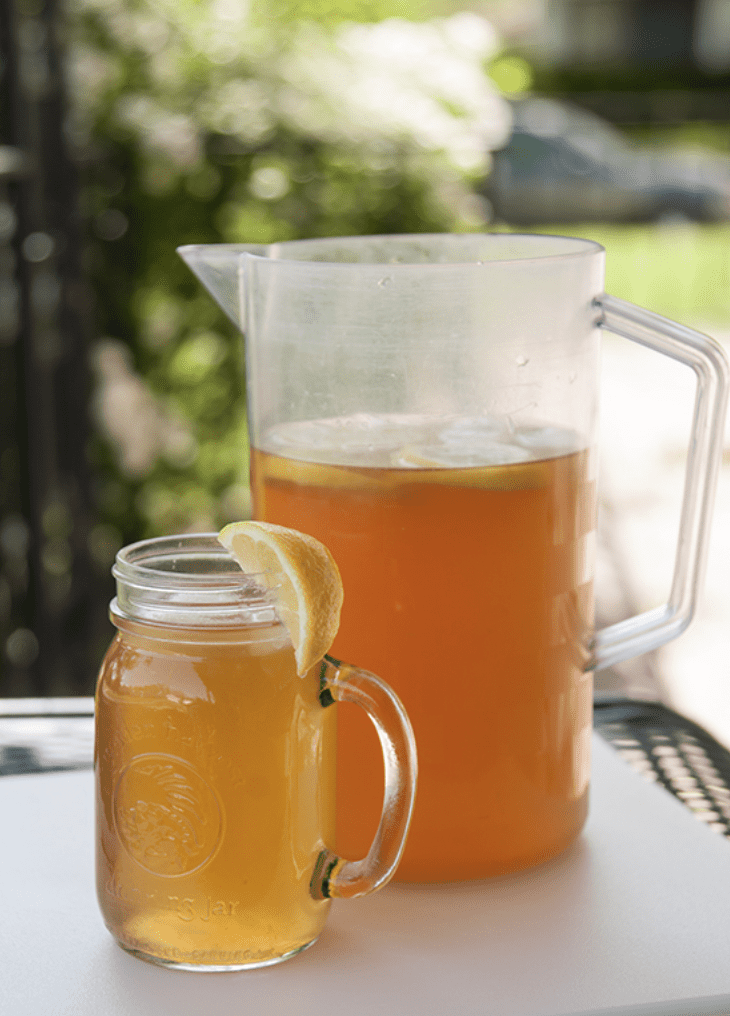
Ingredients:
- 6 cups water
- 6 oolong tea bags
- 1/4 cup fresh squeezed lemon juice
- 2-3 teaspoons stevia (optional)
- Steep the tea bag in hot water for about 5 minutes.
- Remove the tea bag and add the freshly squeezed lemon juice.
- Cool in refrigerator for 2 to 3 hours, or simply serve over ice.
Recipe: Peach Oolong Tea

Ingredients:
- 1 ½ cup water
- 6 cups hot water
- 4 oolong tea bags
- 2 cups sliced peaches (fresh or frozen)
- ⅓ cup agave nectar or maple syrup - or other sweetener (optional)
- Combine peaches, 1 ½ cup water, and sweetener in a small saucepan and warm over medium heat.
- Stir and mash peaches until soft and remove from heat to let them cool.
- Let tea bags steep in 6 cups of hot water for 5 minutes.
- When peaches are cool, filter the fruit using a mesh colander to get the juices out.
- Transfer the juice and tea to a pitcher.
- Serve over ice with an extra slice of peach if you want.